Inspection
911 Clean, a recognized Care
and Repair Facility, is fully trained to perform three separate inspections
in accordance with all NFPA standards:
- Routine Inspection
- Advanced Inspection
- Complete Liner Inspection
ROUTINE INSPECTION
A routine inspection can be
completed by a firefighter as often as possible to look for the following:
-
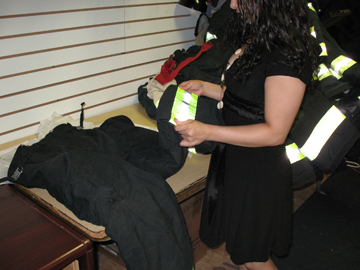 Soiling
- Contamination
- Physical damage
- Damaged or missing trim
- Loss of seam integrity
- Correct assembly
ADVANCED INSPECTION
An advanced inspection of turnout
gear should occur at least every six months in order to abide by current
NFPA guidelines. This inspection must be performed by a certified third
party to inspect and document the following:
-
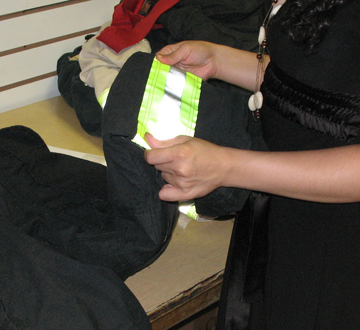 Performed
Independent Service Provider (ISP)
Performed
Independent Service Provider (ISP)
- Soiled ensembles must be cleaned before inspection
- Light evaluation test of liners
- Leakage evaluation
- Physical and thermal damage
-
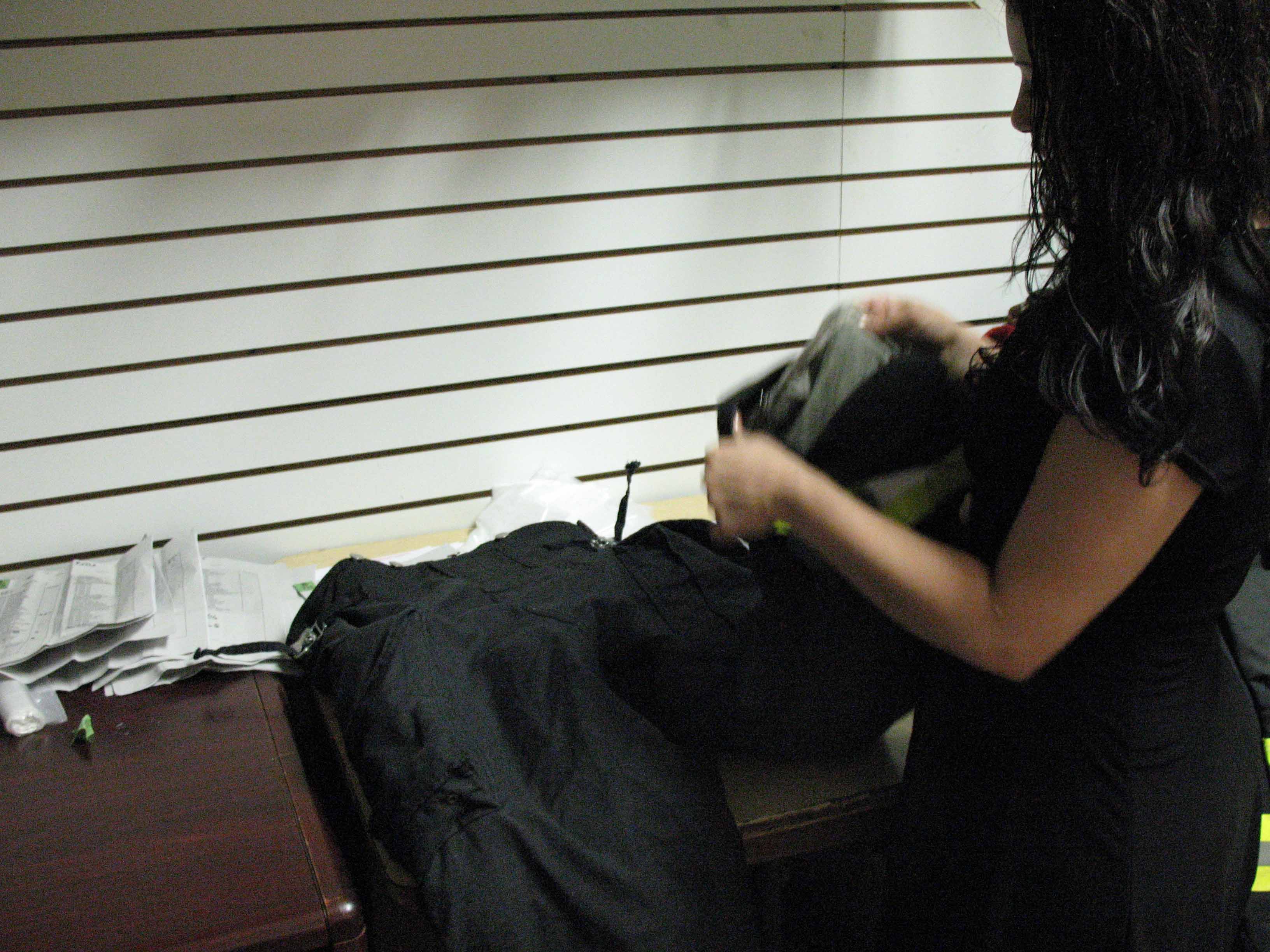 Missing
hardware
Missing
hardware
- Moisture barrier integrity
- Seam integrity
- Material integrity
- Label Integrety
- Reflectivity
- Closure system
COMPLETE LINER INSPECTION
An complete liner inspection of turnout gear
in use for three years or longer should take place at least every twelve
months in order to abide by current NFPA guidelines. This inspection must
be performed by a certified third party to inspect the following:
-
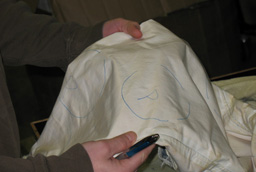 Liner
separated to expose the hidden sides barrier
Liner
separated to expose the hidden sides barrier
- Perform required test on moisture barrier
- Water barrier evaluated
- Liners that pass are sewn together after testing






 329 E Main Street